Agency Organizational Structure: How Ash Collyer Built Forbidden to 18 People
Ash Collyer went from solo HubSpot consultant to a Leeds agency of 18 people. He hired a head of delivery as employee two, moved delivery into pods, built sales early, and maps roles before he hires.
Agency organizational structure is how an agency divides selling, delivery and management into roles and teams, and Ash Collyer's rule at Forbidden is to draw the roles needed 6 to 12 months out before placing anyone in them.
Ash Collyer spent about 15 years in marketing, in-house and at agencies, before he sold his own time. His first taste of HubSpot came nearly a decade ago, when he led rollouts for a family-owned group of companies as its head of group marketing. He left, consulted on his own, and kept meeting clients who owned HubSpot and did not know where to start. His first employee joined in October 2024. By the time we recorded, Forbidden had 13 full-time staff plus five contract consultants, a team of 18, and had reached Elite a little over two years after Ash started it (Forbidden, 2026). How he arranged those 18 people, his agency organizational structure, is what he came on the show to talk about.
It was Ash’s first podcast, and he gave me his whole playbook on Fast & Tierious anyway. I told him on the call he sounded like someone who thinks deeply and methodically about these subjects. His lessons follow one habit: work out where you add the most, then hire people to take the other seats off you.
Who should an agency founder’s second hire be?
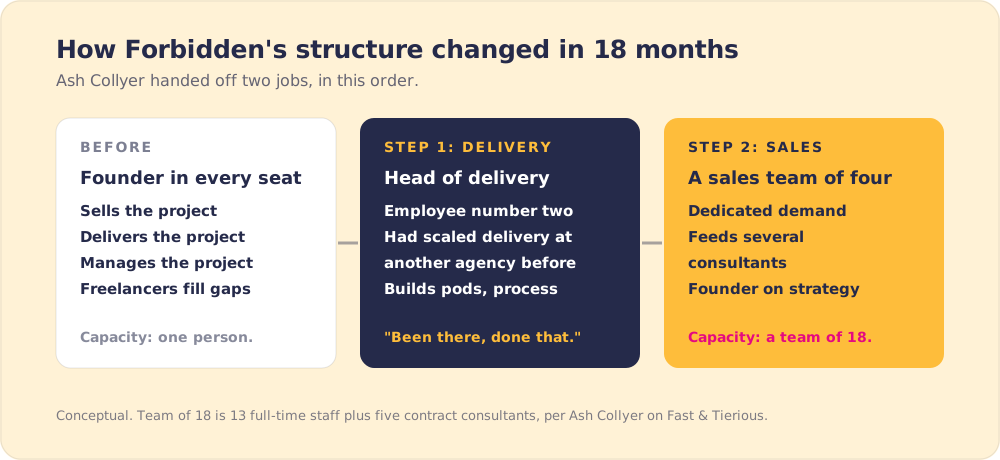
Early on Ash did everything. He sold the projects, delivered them and managed them, with freelancers filling gaps. His own verdict on that stage: “with the best will in the world typically you’re not doing everything well.” The busier he got, the more he could see “where I needed to get out of the way.”
The first seat he gave up was delivery. Forbidden’s second employee was David, a head of delivery who had helped scale another HubSpot partner. Ash asked himself a plain question: “was I the best person to help scale our systems and processes? No.” So he hired someone “tried and tested,” a person who had “been there, done that.” Ash admits it was a gamble for an agency that size. David had already made the scaling mistakes somewhere else, and in Ash’s words, hiring him “accelerated the trial and error piece.”
I put it in football terms on the call: hire someone who has gone “from League One to Championship, like they’ve got promoted before,” because they know how to do it again. Ash added a caution. David’s old agency ran on a very different model, so Forbidden took his knowledge and judgment and built its own way of working around them.
I made the same bet at RevPartners. Our first big move was a head of delivery, and at the time it felt like “danger danger red flag.” Looking back, I told Ash, growth would have been impossible without it, because “you don’t want me running your project either.”
Why did one consultant per client stop working?
Forbidden doubled its headcount again this financial year, and Ash says the structure has had to keep up: “what worked 6 months ago doesn’t work now.”
Until recently the agency ran on “one consultant working with one client.” As the projects got bigger and more complex, that stopped holding. “That doesn’t scale,” Ash said. So Forbidden moved delivery to a pod structure, small teams with a mix of skills. “We have a broader capability in each pod now where we can tag teams to certain projects.” He calls the structure a work in progress, still changing as the agency grows.
Then there was demand. Forbidden expected to grow about 150% in the financial year that ends in July, and work was arriving faster than consultants could be hired. Ash had to weigh what Forbidden could deliver against what it could sell, and sometimes turned down projects that were the wrong fit, “which is never easy.” He is now trying to slow the growth down on purpose. One thing he is proud of: “Everyone who’s who started with us is still here.”
A pod also gives each consultant a lead who sees their work up close. Gallup has found that managers account for at least 70% of the variance in team engagement (Gallup, State of the American Manager). A pod lead with a handful of consultants can know each of them and their projects. A founder trying to oversee every consultant on every client cannot.
When should an agency build a sales team?
Sooner than Ash expected. At HubSpot’s INBOUND conference in September 2024, someone on the HubSpot team told him that “the partners who are growing quickly had that dedicated sales resource.” Forbidden did not have one. “I was still spinning plates.”
He says that one piece of advice “shaped quite a lot of where where we went over the last 18 months.” Forbidden “built our sales team quite early on,” and today four people sell, Ash among them. “Creating the demand hasn’t been the problem,” he said. He describes the setup as “a relatively repeatable model,” with a sales team feeding a number of consultants. Most of Forbidden’s work so far has come from inbound and referrals, and it is now building an outbound team.
Ash handed off delivery so he could sell. The sales team is the next handoff, because now he is one of four sellers instead of the only one. At the end of the episode I told him that getting out of “founder led anything” is the second reality of growing an agency, right after handing off delivery.
What does Ash wish he had known on day one?
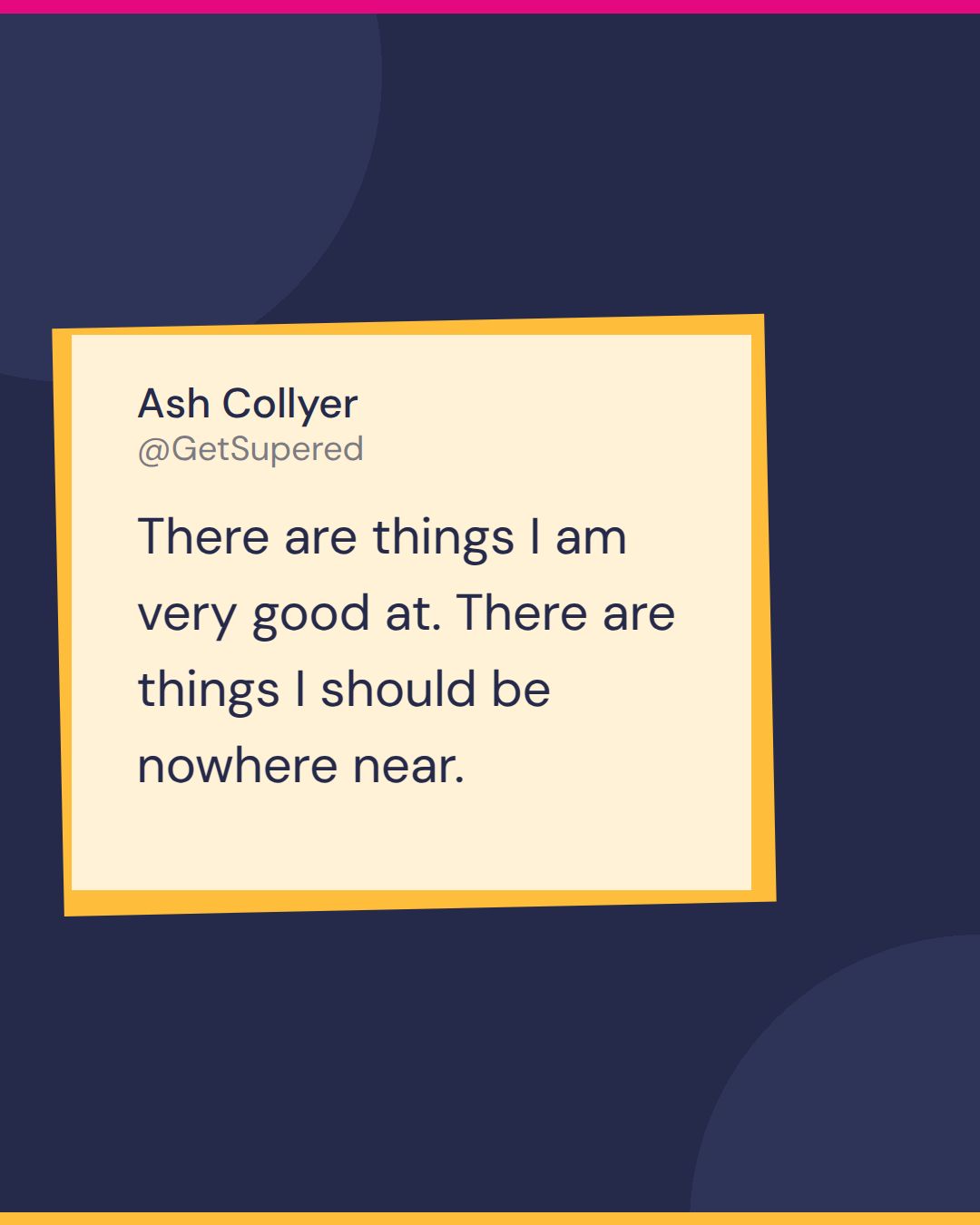
The mistake Ash would not repeat is about knowing yourself. “There are things I am very good at,” he said. “There are things I should be nowhere near.”
His example was project management. “For those who know me well, I’m not the person to manage your project,” he said, and he laughed. So he stopped running them. Forbidden brought in people “far more experienced than than myself in that area,” and Ash no longer runs projects by default. His advice to his younger self was the same thing, sooner: find the parts of the work where you add the most, and hire for the rest.
Gallup has measured what delegation is worth to a founder. In a study of 143 CEOs on the Inc. 500 list, those with high delegator talent posted an average three-year growth rate of 1,751% and generated 33% more revenue than those with low or limited delegator talent (Gallup, 2015). Noam Wasserman’s research on 212 American startups found that founders who gave up more control to bring in cofounders, hires and investors built more valuable companies (Wasserman, Harvard Business Review, 2008).
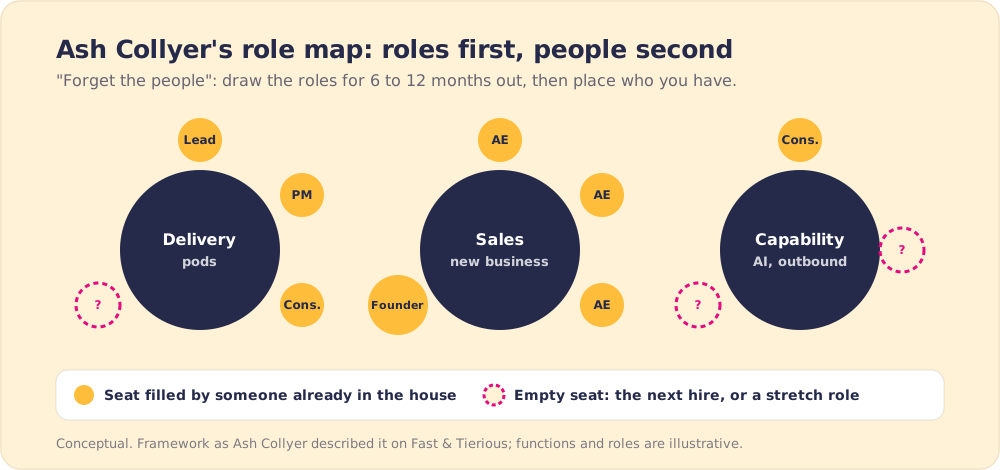
Ash’s method for deciding who does what fits on a sheet of paper. He draws the business as it stands: “where are we now, who’s in seat.” Then he takes the names off: “forget the people, but fast forward 6 12 months if it goes well,” and asks what roles and skills the business will need. Only then does he put back the people “you’ve already got in the house.” The drawing “quite quickly identifies where there’s gaps.” Some gaps become the next hire. Others go to someone already on the team who can grow into the role.
Ash Collyer’s lessons on agency organizational structure
- A head of delivery as the second hire. Someone who has scaled delivery before cuts the trial and error, and lets the founder sell.
- Pods over one-to-one delivery. One consultant per client stopped working on Forbidden’s bigger projects. A small pod with mixed skills can take them on.
- An early sales team. A dedicated seller feeds several consultants and starts moving the agency off founder-led sales.
- A founder in the right seat. Name what you are good at, and hand off what you should be nowhere near.
- A role map before the hiring. Draw the roles for 6 to 12 months out, take the names off, then place people and hire into the gaps.
Where should you start?
If you are a founder still selling, delivering and managing projects yourself, we recommend Ash’s order. Hire delivery leadership first and pay for experience, because someone who has scaled delivery before saves you the mistakes you would otherwise make on client projects. Move to pods when a single consultant can no longer carry a project. Hire a seller before you feel ready, as Ash did after one conversation at INBOUND. And redraw the role map at least every six months, since Ash found that what worked six months ago had already stopped working.
Ash’s next bet is AI. His clients mostly “aren’t ready for AI,” he said, but they are asking where it fits in their business, and Forbidden wants to be the firm that answers. That work will run across several pods, so delivery has to look the same whichever pod picks it up. Our HubSpot implementation playbook covers how to package that delivery, and the client onboarding process post covers the first 90 days. Supered’s page for HubSpot partners shows how agencies put their delivery process inside the client’s HubSpot, where every consultant can follow it.
Frequently asked questions
What is the best organizational structure for a small agency?+
Who should an agency founder hire first?+
What is a pod structure in an agency?+
When should an agency build a sales team?+
How do you stop the founder being the bottleneck?+
Your process, running itself.
Turn the playbook into rep behavior.
More from Fast & Tierious

Sales and Marketing Conflict: What Sara Hanlon Learned From Both Sides
Sara Hanlon
How to Pivot Your Business: Lessons From an Agency That Changed Course Three Times
Przem Orlikowski