Pipeline Review: Crispy Barnett and Matt Bolian Argue Against Killing the Meeting
A growing camp wants to kill the weekly pipeline review. Our host used to be in it. Crispy Barnett and Matt Bolian argue the meeting is worth keeping, for the story behind the data and for the question that trains the rep.
A pipeline review is the recurring meeting where a sales manager and reps go through open deals to decide what each one needs next, and on Pardon the POV Crispy Barnett and Matt Bolian argued it earns its hour when it skips the readout and gets to the story behind the data.
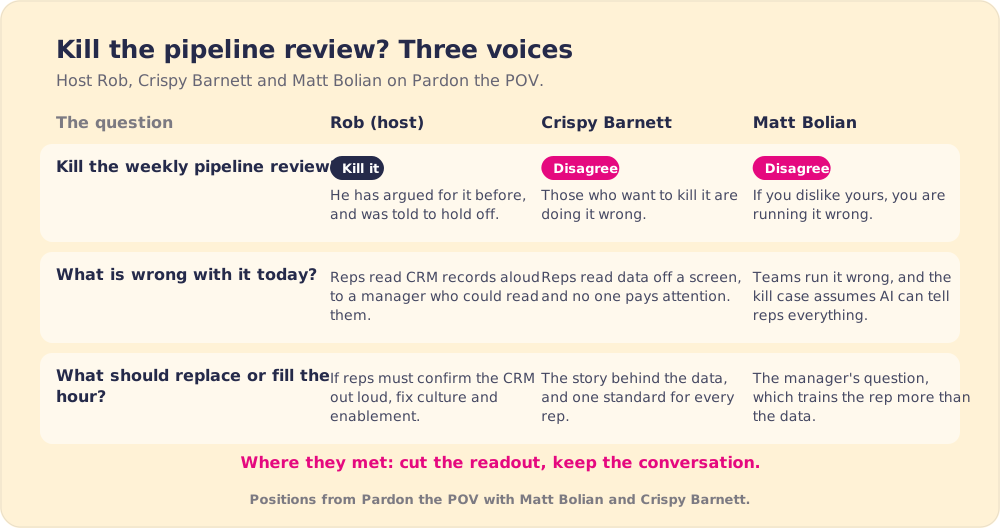
Rob, our host, described the pipeline review that people want to kill. Friday afternoon. Reps read their Salesforce or HubSpot records aloud “to a manager who could have done all that him or herself,” and the room nods along to a forecast no one trusts. “We’ve all sat in that room before.”
He had argued to me before that the meeting should go, and I had told him to hold off. So he put it to Crispy Barnett and me as a binary question: should the weekly pipeline review meeting be killed entirely?
We both said no. It was the last question of a Pardon the POV episode about what AI will expose in sales teams, and Crispy and I kept the meeting for different reasons. He wants the story behind the data. I want the manager asking the rep good questions. Rob’s case for killing it deserves a fair hearing first.
Should you kill the weekly pipeline review?
Rob read out the argument for killing it: “If you’ve invested in CRM and still need verbal confirmations from reps, the problem is culture and enablement, not the meeting, and the fix is not more meetings.”
Operators have put numbers on the cost. In a 2025 essay, Zhenya Bankouski of Revenue Wizards quotes a VP of Sales describing reviews as “three-hour marathons where reps essentially read their Salesforce records aloud,” and a former CRO who found his team “burning over 200 hours monthly just talking about deals instead of working them” (Revenue Wizards, 2025). The forecast those hours produce is not trusted either. Gartner found only 45% of sales leaders and sellers have high confidence in their organization’s forecasting accuracy (Gartner, 2020).
Our own survey shows how most of these meetings run. In The State of Sales Enablement 2026, 58% of respondents said they inspect deals mainly through CRM dashboards and 26% through ad hoc intuition. The structured deal-review template, the method most associated with high quota attainment, was in use at 3% (The State of Sales Enablement 2026). For most of the teams we surveyed, the review runs off a dashboard, the way Rob described it.
What does Crispy want to hear in a pipeline review?
Crispy opened by agreeing with half of Rob’s complaint. “I think that those that want to kill the pipeline review are doing it wrong.” If the meeting is reps reading data from a screen, like someone reading a slide verbatim, “It’s bad and no one pays attention.”
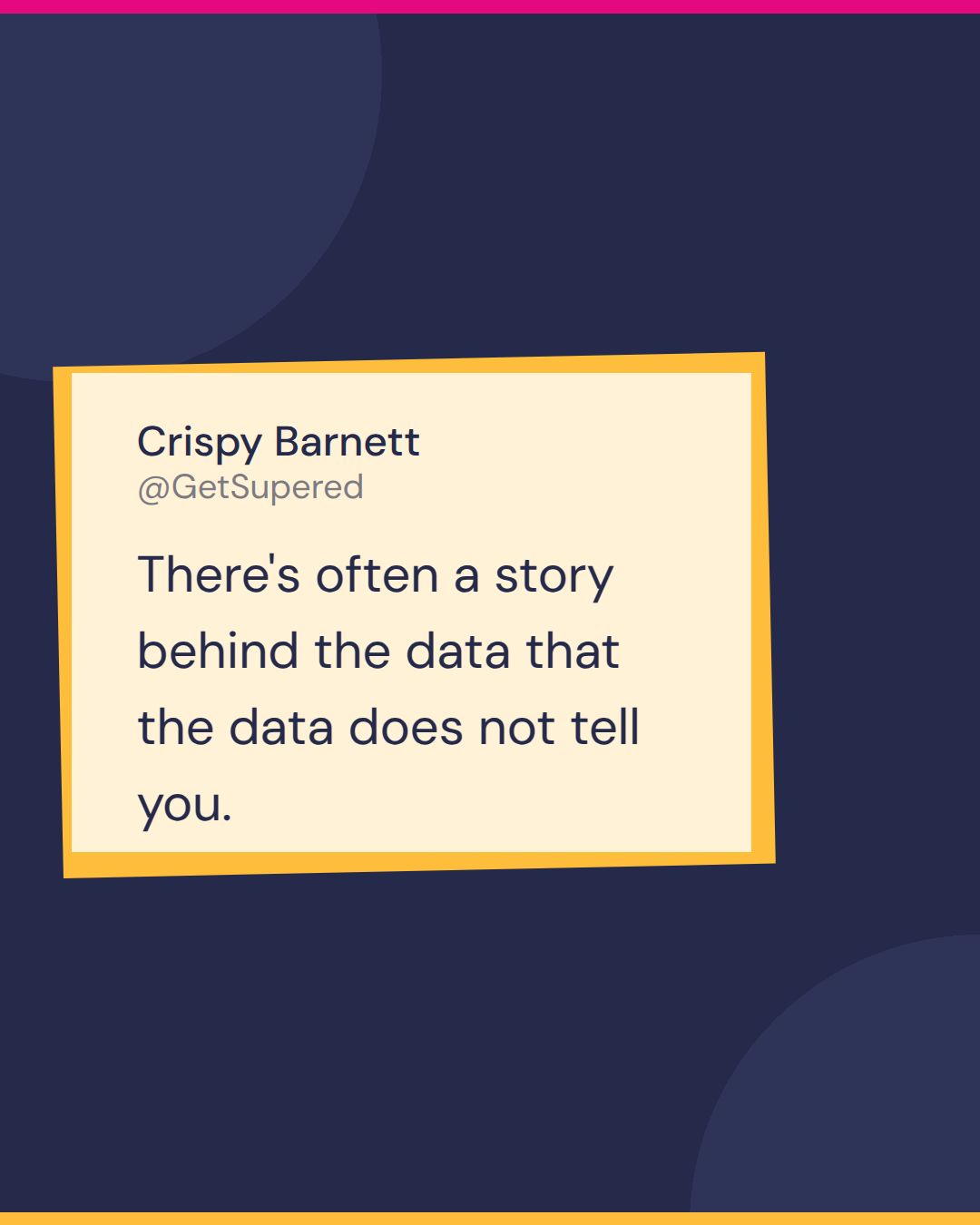
Then he gave three reasons to keep it. The first is that CRM data is only as good as what went in: it “is subjective based upon what has been put in. And a lot of the times there’s gaps in that data.” The second matters most: “there’s often a story behind the data that the data does not tell you. And that that’s what I want to hear from the rep whenever I do pipeline reviews.”
The third was the bluntest. Crispy believes shame is powerful, and said so with an adjective I will leave out. When a rep’s deals are missing the data the process asks for, and he points it out in the review, “that is the sales enablement. That is the education point where I will ask you why does this not exist.” I would put the weight on the teaching half of that answer: the gap is where the rep learns why the step matters. The meeting, in his view, is “important for both the revenue standpoint and for establishing a standard across all of your reps and your sales team.”
Rob asked him to clarify: was he saying the meeting is needed, and teams run it badly? Crispy: “if you’re taking just uh deal data points or opportunity data points in Salesforce at face value as your pipeline review, you’re doing it wrong.”
Why does the manager’s question matter more than the data?
I agreed with Crispy and went after the assumption underneath the kill argument. “This is used and presupposed upon a future where individuals can autonomously do the right thing and have AI tell them everything they need to be told about the deal and then execute on it.” I don’t believe that future is good for people. “I don’t think it’s good for humans to not have people speak into their lives.”
Take the alternative from the rep’s chair. She asks, “what should I do with this deal?” and gets “four options from Claudia saying, ‘Do it this way.’” Who helps her decide? “They’re just going to ask another AI agent another question. No, that’s what coaching’s for.” The meeting exists so a manager can “get on the call, understand what’s actually happening and the way the manager asks the question will help train the rep more than the data itself.”
Earlier in the same episode I had told a story against myself that explains why I hold that line. At church we were working through catechisms, and I used AI to help me write my answers. When the group asked me the questions, “I could not remember one thing that I had written on that piece of paper.” I worry that reps who hand their deal thinking to a tool will find the same blank in front of a buyer.
Medical educators built a whole teaching method on the manager’s question. The One-Minute Preceptor, published by Jon Neher and colleagues in 1992, teaches in five small steps and starts by asking the learner to commit to an answer before the teacher offers one (Neher et al., Journal of the American Board of Family Practice, 1992). Sales research points the same way. CSO Insights found organizations with a random, unstructured coaching approach won 43.9% of forecast deals, and that a dynamic, structured approach was worth 13.8 percentage points more, a 31.4% lift in win rate (CSO Insights, 2018).
Does inspecting deals change results?
Crispy and I were arguing from experience. The survey data backs us. In The State of Sales Enablement 2026, 48% of reps on the most highly inspected teams hit 76 to 100% of quota. On rarely inspected teams, 6% did, with the bands between stepping down in order: 22%, 14%, 10%.
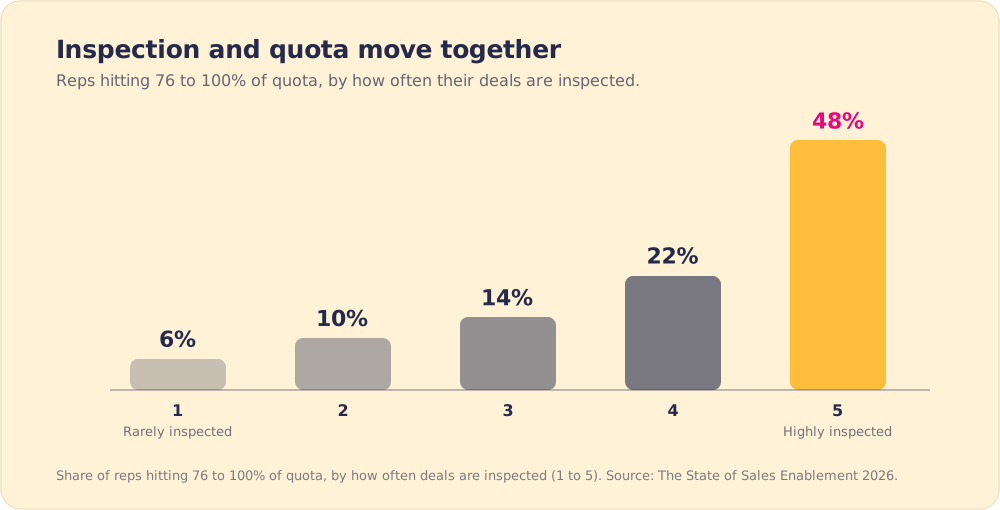
A survey shows association, and better teams may inspect more to begin with. Still, cancelling the meeting removes the one regular moment when someone looks hard at a deal before the buyer decides. Rob’s complaint was about reps reading records aloud, and a team can stop doing that and keep the inspection. Our post on pipeline hygiene covers how a tidy CRM can still misreport where the buyer stands.
How should a pipeline review run, according to Crispy and Matt?
Crispy and I would run a sales pipeline review like this.
- The readout done before the meeting. Stage, amount, close date and missing fields get checked and flagged ahead of time. Reps skip the recital.
- Gaps as teaching moments. Crispy’s point: when a deal is missing what the process asks for, the review is where the rep learns why it matters, and where the standard gets set for the whole team.
- The story behind the data. For each flagged or large deal, the manager asks what is happening with the buyer that the fields do not show.
- The rep commits first. The manager asks what the rep thinks happens next and why, before offering an answer, because the way the manager asks “will help train the rep more than the data itself.”
- One owned next step. Each discussed deal leaves with a dated action in the CRM.
- A separate deal review for the hard ones. A deal that needs more than a few minutes gets its own session to work the strategy.
Capacity decides whether any of this happens. At one to five reps per manager, 47% of teams in our survey report high process adherence; at six to eight, 23%. A manager with a full team has minutes per rep, and the readout eats them unless a system does it first. Our guide to sales coaching questions that build judgment covers the questions that fill those minutes well.
Where does AI belong in a pipeline review meeting?
In the preparation. Our survey found 73% of teams use AI for call analysis and summaries, against 26% for deal strategy and forecasting. That split fits the argument: AI is good at the readout and much less trusted on the judgment.
Crispy closed the episode with the rule I would apply here. AI “will make those that are excellent reps and excellent operators even better by fostering thoughts and strategy. More you use it to help make your decisions, not make your decisions fully, the better off of a person you will be.”
The verdict: kill the readout, keep the meeting
Rob awarded the episode to Crispy’s haircut, which he rated “S tier.” On the pipeline review itself, the three of us ended closer than the question made it sound. Reps reading records to a manager who can read them is a waste of an afternoon, and Crispy and I both said so. We kept the meeting because the story behind the data and the manager’s questions don’t happen anywhere else, and in our survey the most inspected teams had eight times the share of reps hitting 76 to 100% of quota, 48% against 6%.
So cut the recital and keep the pipeline review meeting. Have a system do the readout before the meeting starts, and spend the hour on the deals with gaps, the story behind them, and the rep’s own answer to what happens next. Our post on sales forecasting covers why the numbers underneath drift when no one checks them.
We built Supered for that first step. It checks your process in the flow of work inside HubSpot and Salesforce, so the readout is done and the gaps are flagged before the meeting starts, and the manager’s time goes to the questions.
If you run one pipeline review this week, start by asking the rep to commit on the three deals you worry about most, then read our guide to sales coaching questions that build judgment before the next one.
Frequently asked questions
What is a pipeline review?+
Should you get rid of the weekly pipeline review meeting?+
What questions should a manager ask in a pipeline review?+
Can AI replace the pipeline review?+
What is the difference between a pipeline review and a deal review?+
Your process, running itself.

