HubSpot Commission Tracking Without a Developer: Jordana De Bruin's Build
Jordana De Bruin spent 20 years in CRM and three years and six attempts building sales comp in HubSpot. Here is how she finally did HubSpot commission tracking with the user object, and why she pays for inputs first.
HubSpot commission tracking is the setup that calculates what each rep has earned from their deals inside HubSpot and shows it to them, and Jordana De Bruin built hers on a triggerable user record, a custom object and live rollups.
Jordana De Bruin has spent more than 20 years in CRM, ten of them working beside sales teams. She came up through automotive and manufacturing, worked at Carfax, and moved into ticketing management for a while. She missed the sales team, so she came back. Today she runs RevOps at a Canadian startup that makes toys, plushies and apparel for content creators, in a HubSpot portal that was a clean slate when she arrived.
She told Cameron Conner and Lindsey Smith on Becoming an Admin that her team “started and restarted probably six times in three years” before HubSpot commission tracking finally worked. She walked through what she built and what those attempts taught her about sales compensation in HubSpot.
Why did Jordana De Bruin come back to sales?
Automotive and tech, she said, were “very structured very serious.” When a company making toys and apparel for content creators came along, she guessed its sales team would be a different crowd. “I miss the the ridiculousness, the reactivity, the creativity that comes out of working adjacent to sales teams,” she said.
Asked what she would tell a solo admin at a startup, she went back to the reps. “You’ve got to be on the side of the sales team,” Jordana said. “If you’re not on the side of the sales team and you’re not working in their best interests, you’re not going to get anywhere no matter what you want to do.” Once the sales team trusts you, she said, you can start building for the rest of the company.
How do you keep sales incentives fun?
Jordana is “a huge leaderboard fan,” and a live sales leaderboard is her first incentive tool. “I think the most important thing for most sales teams is to be able to see everything live,” she said. “Seeing it live drives a whole other level of competitiveness and engagement.”
Her advice on delivery: “make it live. Get it in their face. Get those dashboards up. Get those leaderboards up. Make sure you’re being a little bit silly in the delivery of it.” One of the hosts joked that with a live leaderboard, reps would fight over chocolate bars. “You know, you’re not wrong,” she said.
Two economists tested this at a real company. Jordi Blanes i Vidal and Mareike Nossol studied a firm that began telling piece-rate workers their position in the pay and productivity distribution. Telling workers their rank, and nothing more, led to “a large and long-lasting increase in productivity that is costless to the firm” (Blanes i Vidal and Nossol, Management Science, 2011).
Why don’t shame lists and 911 dashboards work?
The hosts then asked about the “don’t be on this dashboard” list. Jordana has tried them all: a shame bot in Slack, a 911 dashboard, activity reports. “It is interesting for the first week and they’re like, ‘Oh, I don’t want to be on the list.’ And then it’s over,” she said. “No one ever looks at it again.”
The approach that has worked for her is paying reps back in data. “So if you enter the thing, if you do the thing, if you if you’re doing what I ask, here’s what I can give you.” Her pipeline runs long, so the moment she can hand a rep something useful for a creator because they filled in the right fields at the start, she takes it. “That seems to be my only winning play after years of trying different things.”
She applies the same instinct to training. She taught herself video editing and runs a YouTube channel, HubSpot Help with Jordana, with videos made in creator style. “I don’t think any of my videos are longer than 8 to 10 minutes. Most of them are in the five minute range.” She said they get more engagement than any training doc or chatbot she has tried. A study of 6.9 million video sessions on edX by Philip Guo, Juho Kim and Rob Rubin found shorter videos far more engaging and recommended segments under six minutes (Guo, Kim and Rubin, 2014).
How do you set up HubSpot commission tracking?
For three years her team tried betas, workarounds and vendor demos to layer live data in. The old workaround was a fake contact record for each rep. One of the hosts pointed out that it “tracked emails that maybe shouldn’t have been tracked,” and Jordana agreed it “was weird for a whole variety of reasons.”
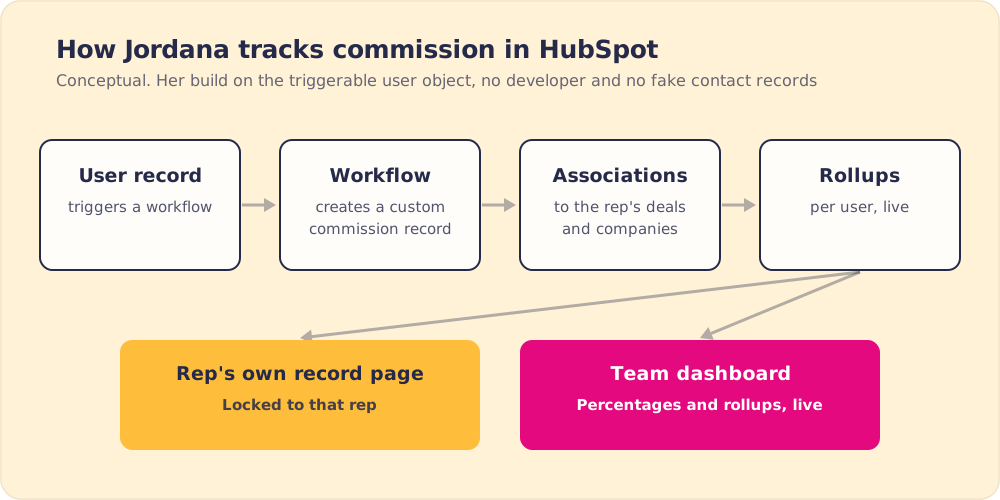
The fix came with HubSpot’s user object, which was in beta when they recorded. “Users are now a triggerable object,” she said. Her build works in this order:
- A user record as the trigger. When the user object fires, a workflow creates a custom object record for that rep’s commission.
- Associations kept current. The workflow automatically associates and unassociates that record with the rep’s companies and deals.
- Rollups on the individual. Earnings roll up to the individual user record, live.
- Two views with different permissions. Each rep’s own record is locked to them, while the team dashboard shows “the percentages and the rollups.”
“It’s only been within the last 6 to 12 months of product updates that we’ve been able to actually build what we envisioned two years ago,” she said. Her magic-wand wish in the rapid-fire round was for HubSpot to finish the associated user record properly. For a similar build, our guide to HubSpot workflow dependencies maps how one workflow’s output feeds the next.
Should sales comp reward inputs before revenue?
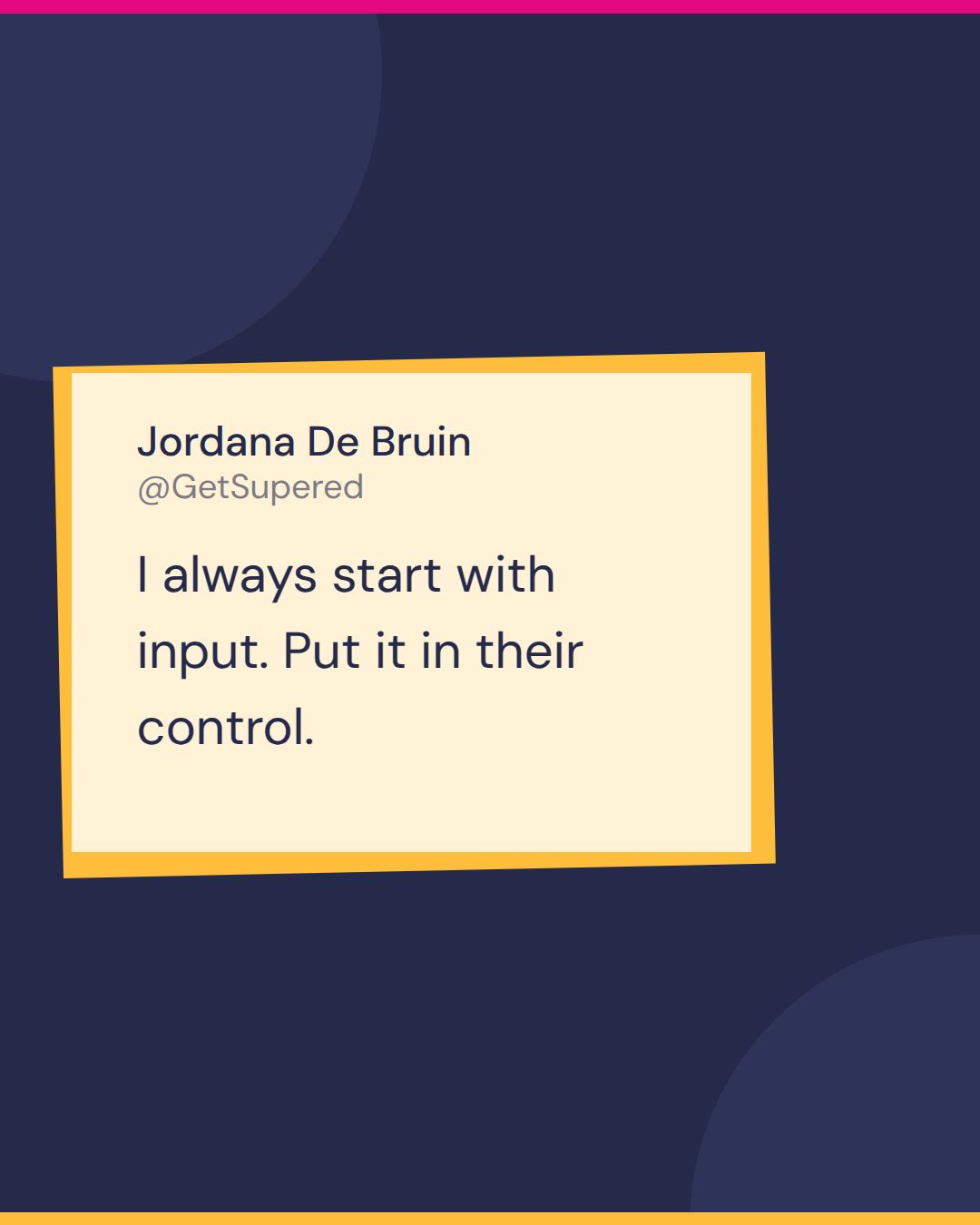
One of the hosts raised a problem early companies run into: comp tied to sales goals set before anyone has the data to know what is attainable. “I always start with input. Put it in their control. Reward and incentivize what they can control is whether that is lead genen, whether that is demos, whatever that looks like.”
Paying on inputs gives her two things. “Then you can get good habits started and you can get the data started,” she said, and the data shows what to build on. Her current plan still carries a revenue target, with about 20% based on inputs reps control. For a new input she starts the way a SPIFF would. Her example, a number she admitted she made up on the spot, was “here you get 20 bucks a demo,” and then you watch what reps reach when they are paid per demo.
She also wants reps to feel the reward early. Her new plan pays a percentage on every dollar. “You don’t have to get to 100% to see anything,” she said. “You can see what your work is getting for you immediately.” Her company sells through crowdfunding, so the value of a deal is not known until the campaign ends, which makes quick, visible rewards matter more.
For the input side of the scorecard, our piece on sales KPIs separates the lagging numbers from the leading one worth watching.
Should 100% of reps hit quota?
“No,” Jordana said. “If they do, then you built it wrong.” She was taught to aim for 50% of reps hitting quota. With monthly payouts and a business that runs partly on luck, she lets it float. “I don’t want to hit below 40 30 40% is a bit scary and once I cross 70 I’m like uh oh something’s wrong but there’s that sweet spot in the middle.”
If the whole team misses for three to six months, reps give up, and Jordana checks the system before she touches the number. Some of her team’s work happens in Discord chats she cannot track, so an input may be happening without landing in HubSpot. A host added the other side: when every rep clears 100%, many are at 200% or 300%, and that becomes the real baseline.
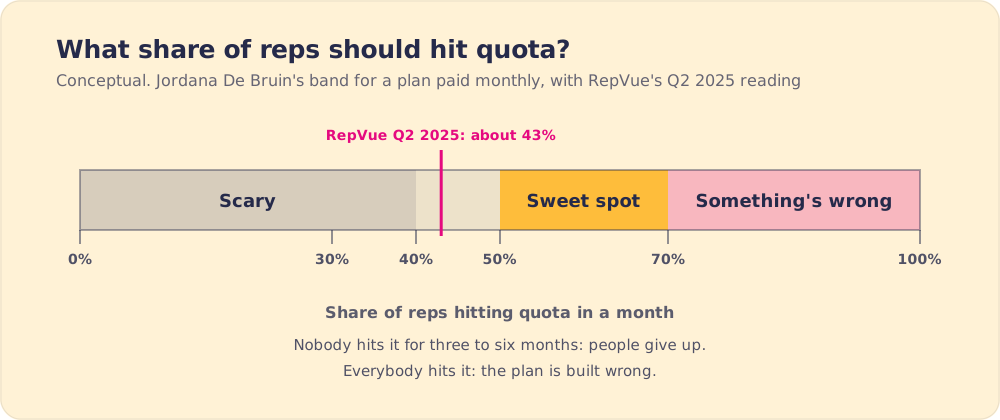
The wider market sits under her sweet spot. RepVue’s Q2 2025 Cloud Sales Index, covering about 47,000 quota-carrying reps at 246 cloud and software companies, found 57% missed quota (QuotaPath on RepVue’s Q2 2025 data). Our piece on quota attainment looks at why lifting the middle of the team moves attainment more than moving the target.
Paying monthly helps too, she said, because “who is leading in January isn’t necessarily who’s going to be leading in February.”
Is Breeze AI worth mastering yet?
Jordana has “a bit of a lovehate relationship with Breeze.” She tried some basic web scraping and summaries, and “it only let me try 86 records before I was out of my monthly credits.” For now she uses outside AI tools more, including for the small code snippets in her workflows. She still expects admins to have no choice about Breeze a year from now.
What excites her more is running the CRM alone. In her years on Microsoft Dynamics she always had a developer beside her. “HubSpot is the first time I’ve been able to do it by myself,” she said. With some integrations knowledge, an understanding of APIs and AI help, “your super admin … does not need a developer to run your CRM anymore.” Asked to pick between a custom object and a simple workflow, she picked the workflow: “Don’t take away my workflows.”
What Jordana De Bruin has learned about comp in HubSpot
- A live leaderboard. Reps compete harder when they see results live. Blanes i Vidal and Nossol found revealing rank alone lifted productivity for the long term.
- Data as the reward. Shame lists fade after a week. Giving reps something useful back for clean entries keeps them entering.
- A user-object build. A triggerable user record, a custom commission object, associations and rollups replaced the fake-contact workaround.
- Input-based comp first. Paying on what reps control builds habits and the data you need before you set revenue targets.
- A 50 to 70% quota band. If every rep hits quota the plan is wrong, and if the whole team misses for months, check the system first.
- Workflows over custom objects. A custom object cannot do much without workflows, and a good admin can bend a deal or company record to fit.
Where to start if you own comp in HubSpot
If you are the only admin, Jordana’s order is the safe one. Get the sales team on your side, put their numbers on a live leaderboard, and pay part of the plan on inputs they control so you collect the data to set fair targets. Then build commission tracking on the user object, and aim for about half to two-thirds of reps hitting quota in a month.
An input-based plan also depends on reps entering the data, which our guide to CRM adoption covers. And it only pays off when reps know the steps behind each input and run them. Supered helps there by showing reps the next step inside HubSpot while they work and showing admins which steps got done, so the plan pays on behavior you can see.
Frequently asked questions
Can you track sales commission in HubSpot?+
How did people track commission in HubSpot before the user object?+
Should sales comp reward inputs or revenue?+
What percentage of reps should hit quota?+
Do you need a developer to run HubSpot?+
Your process, running itself.
Turn the playbook into rep behavior.
More from Becoming Admin

How to Become a HubSpot Admin: Jorge Fuentes on Degrees, 51 Certifications and Owning Problems You Didn't Create
Jorge Fuentes
HubSpot Tips From Erin Wiggers: Make the AI Prove It
Erin Wiggers