How to Become a HubSpot Consultant: Chris Bryant's Path From Night Freelancer to Top-Three Partner
Chris Bryant freelanced on HubSpot at night for years, then became a partner and placed third for Partner of the Year in North America in his first year, alone. The order he did it in, and what he would change.
To become a HubSpot consultant, Chris Bryant learned the software inside an agency, freelanced on it at night for about two years, answered five HubSpot Community posts a day, and went solo once his side income matched his salary.
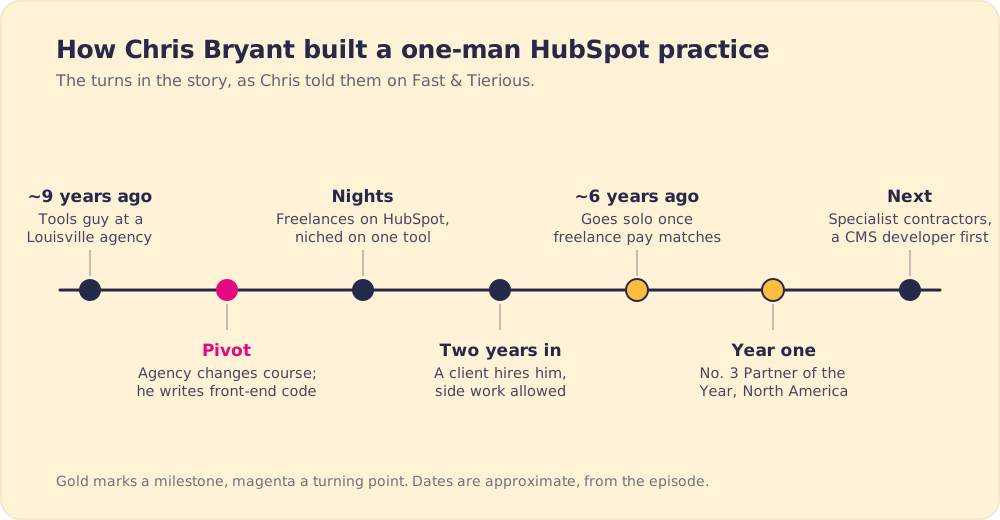
Chris Bryant did not set out to become a HubSpot consultant. He got into HubSpot because he was the tools guy. About nine years before we talked, he worked at a Louisville agency that decided to become a HubSpot partner, and his job was to learn the software. The team flew from Kentucky to HubSpot’s offices to do partner onboarding in person, “because we thought it’d be cool.” Then the agency moved toward building integrations, his role no longer fit, and he left to write front-end code. He kept doing HubSpot work at night. Years later that side work turned into a one-person practice with almost 600 HubSpot accounts behind it, from two-person startups to Fortune 100 companies.
He runs Bryant Works on his own. In his first year as a HubSpot partner, working alone, Chris placed number three for Partner of the Year in North America and number five for customer care. When he came on Fast & Tierious, I wanted to know how one person pulled that off. His answers are a working map for anyone going independent on HubSpot: do your practice where people can see it, niche earlier than feels safe, price by the shape of the work, and earn the right to tell a client no.
How did a front-end developer become a HubSpot consultant?
Chris first tried to freelance as a web designer, since he could write front-end code. It did not work. Designers in lower-cost countries charged far less, and he saw no way to compete “without you know a race to the bottom.” So he took advice the agency owner had given him years earlier and niched down into the one tool he knew well.
His early clients were all over the map, from baby sleep coaching to consumer packaged goods. He loved the work. The tiny teams, he found, “were doing just as complex things as like the bigger orgs in some cases because they just had to be scrappier about it.”
After two years of nights and weekends, one of his clients hired him full-time and let him keep freelancing on the side. His plan was to go out on his own once the freelance income matched the salary. About six years before our interview, it did, and he left.
He became a HubSpot partner much later, in March 2023. Looking back through his accounts, he saw he had been telling clients to upgrade for years: from Starter to a higher edition, or to Sales Hub Pro or Service Hub Pro. “I’ve been selling but not selling,” he said. Clients bought because they trusted that his recommendations would work.
Why did Chris Bryant answer five HubSpot Community posts a day?
Chris does no cold outreach. Clients find him through referrals, the HubSpot partner directory, freelancer platforms, his website, and LinkedIn. Word of mouth is the biggest source, and he traces much of it to a habit from his early years: “I forced myself every day to answer five posts on the HubSpot Community.”
The Community handed him problems he would never have met in his own accounts. Many posters ran Starter accounts without full support, or big portals attempting something odd. Each answer sent him hunting for a fix he did not yet know. “You can find weird problems and learn new approaches to things by just helping people for free,” he said. He was careful to add that he does not think anyone should work for free unless they want to. He did it to get better.
K. Anders Ericsson’s research on expert performance describes the method. Ericsson separated deliberate practice, meaning effortful work on tasks a step past your current skill with quick feedback, from routine repetition (Ericsson, Krampe and Tesch-Römer, Psychological Review, 1993). Chris got five new problems a day and found out fast whether his answer worked, because the person who asked would say so. Some answers still come back to him. He gets notified when someone replies to a solution he wrote in 2018 to say it no longer works.
Working inside hundreds of portals also showed him how small the HubSpot world is. “Oh yeah I know that person,” a client would say, and introduce the next one.
When should an independent consultant niche down?
When I asked what he would tell a new consultant, Chris started with a regret: “I didn’t niche down soon enough.” HubSpot is still a broad specialty. About half of his clients are SaaS startups, and he wants to narrow further.
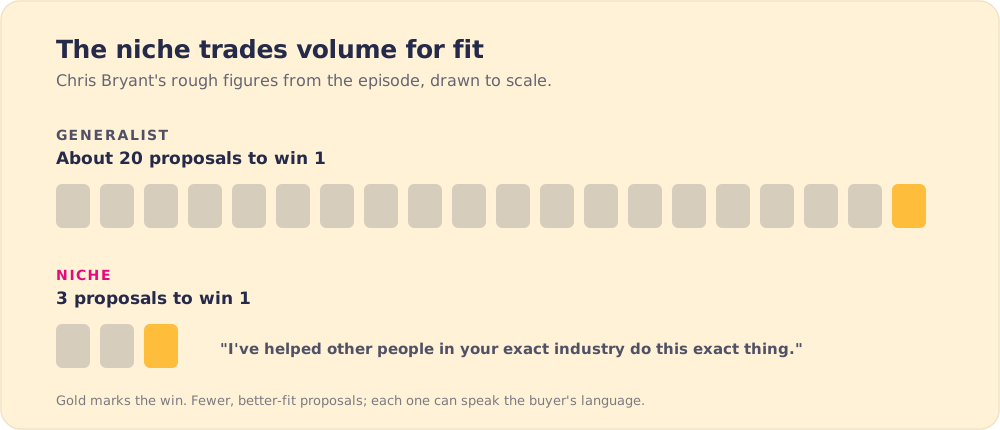
He knows why people wait. A freelancer might “make 20 proposals before you get one person,” he said, and then someone tells you to niche and win one out of three. Those numbers only work if a niche proposal is stronger, and he says it is: “if you can go back and say oh I’ve helped other people in your exact industry do this exact thing that’s really valuable to clients.”
His favorite example is a marketer who brought him into one of her HubSpot accounts. She worked only with forklift dealerships and wrote her marketing in their language. Chris admitted he is not sure he would have the confidence to go that narrow. Her clients, as he tells it, reacted the way she hoped: “they speak my language they know what they’re talking about.”
The size of the freelance market is part of why this works. Upwork’s Freelance Forward 2023 counted 64 million Americans who freelanced that year, 38% of the U.S. workforce, and 47% of them sold knowledge services such as marketing, IT, and consulting (Upwork, 2023). A generalist freelance consultant is up against a large share of that field. A marketer who only serves forklift dealers competes with a short list.
Why does Chris Bryant avoid project pricing?
The popular advice in independent consulting runs the other way. Jonathan Stark, author of Hourly Billing Is Nuts, calls hours “arbitrary units of measure that have nothing whatsoever to do with the outcome of the work” (Jonathan Stark). For work with a clear end, like a site launch or a one-time migration, Stark has a point.
Chris’s work rarely has a clear end. His clients send a stream of requests: a new pipeline, a board report, a new hire to train. He used to write long, detailed proposals and watched them fall flat, because “people just read headlines for the most part.” Clients scrolled to the budget. Then the fixed scope turned each new request into paperwork: “that’s a change order we got to go back to and get a new statement to work and now of a sudden the Project’s delayed two or three days.”
He would not make that mistake twice: over-engineer the proposal and price by the project. As a solo practitioner he can bill time and materials, and clients get the work sooner.
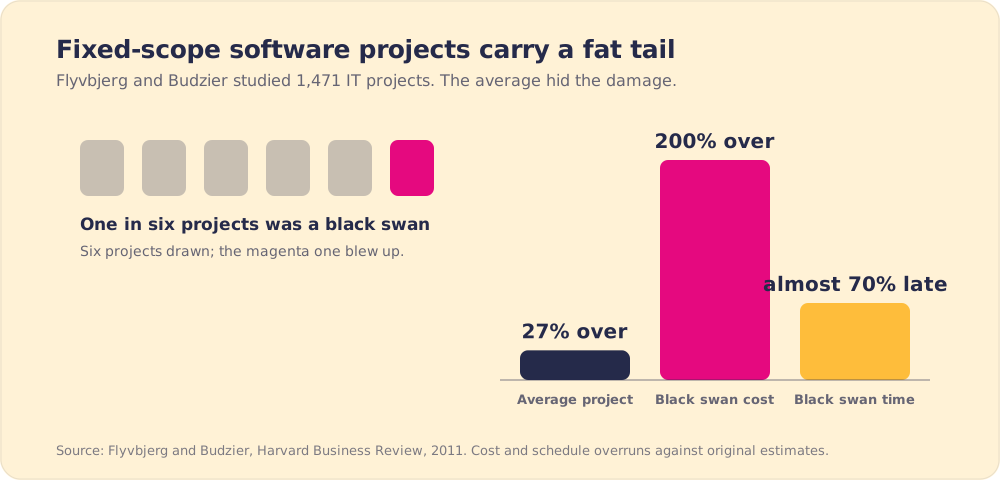
Research on software projects supports his caution about fixed scopes. Bent Flyvbjerg and Alexander Budzier studied 1,471 IT projects and found an average cost overrun of 27%. One in six was a black swan, with a cost overrun of 200% on average and a schedule overrun of almost 70% (Flyvbjerg and Budzier, Harvard Business Review, 2011). On a fixed bid, the consultant pays for the overrun, and a one-person firm has no other projects to spread that loss across.
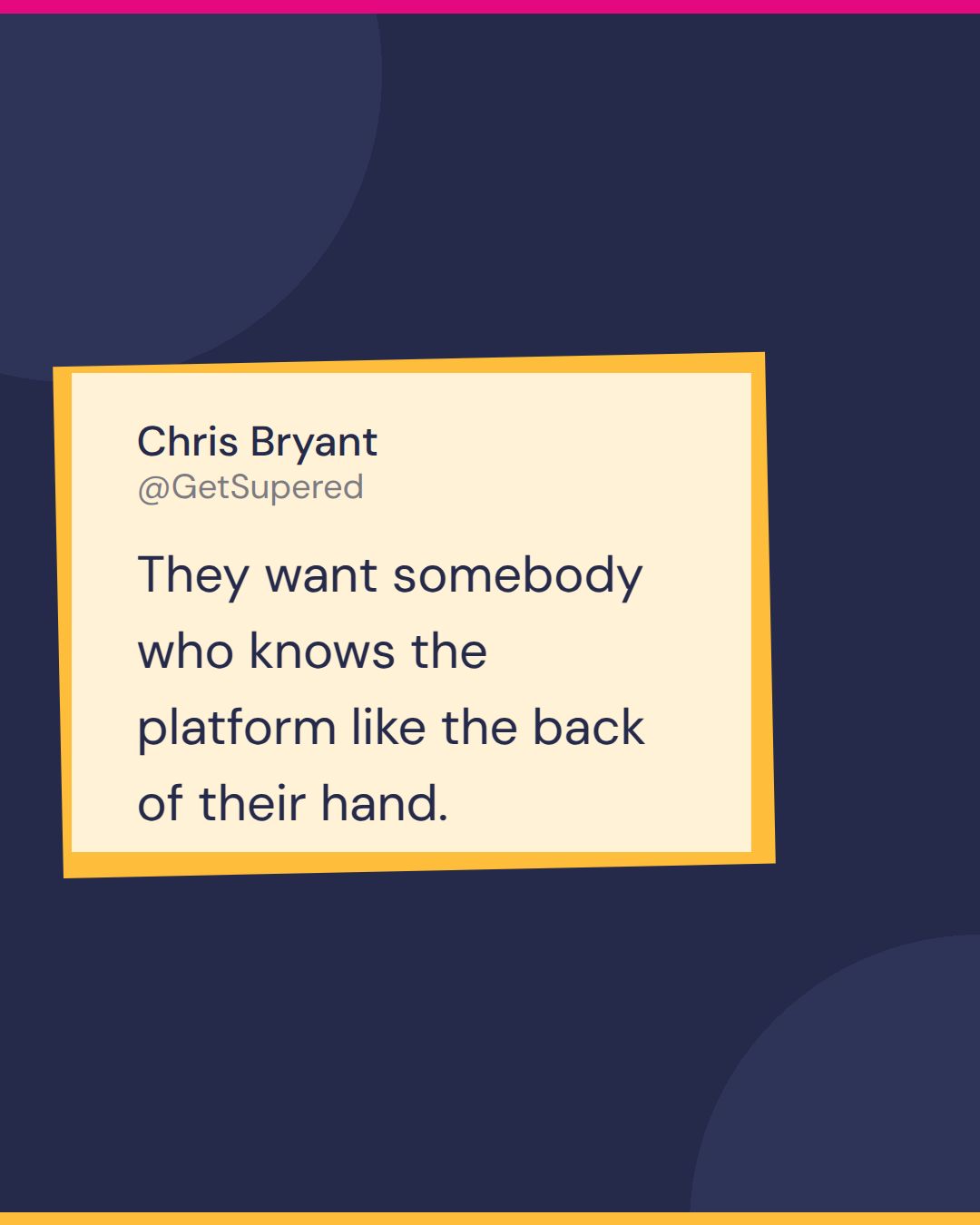
Chris cares even more about what happens when a project ends. “Projects always have an end date to them,” he said, and then “you got to go back and win the business all over again.” With ongoing work he grows alongside the client. Some have kept him as their HubSpot admin for four or five years. “In some cases I’m like one of the most seasoned employees at the organization,” he said. Large clients pay for that history, because they do not want to teach a newcomer how their portal is set up: “they want somebody who knows the platform like the back of their hand.”
What does it take to push back on a client?
Chris’s last two lessons are about trust. First, do what you said you would do, and raise your hand early when something is going wrong. He often inherits clients from consultants who promised work and then went silent.
Second, be willing to tell a client no. With years of experience and data behind him, he can now suggest a route that will “meet like 90% of what you’re trying to do with 10% of the effort.” He applies the same test to his own time. When a client asks him to run a simple import or build a basic form, he asks whether they want to pay his hourly rate for it, and offers to train someone on their team instead.
Clients keep a consultant who delivers and who tells them the truth, and every extra year in an account adds to what he knows about their business.
How to become a HubSpot consultant, in Chris Bryant’s order
- Time inside real portals. Chris learned HubSpot as the agency’s tools guy, then on clients’ accounts at night, from baby sleep coaching to consumer goods.
- Public practice. Five HubSpot Community answers a day built his skill and his name at once.
- A side income before the leap. He kept a full-time job for years and went solo only when freelance income matched the salary.
- An earlier niche than feels safe. About three proposals per win in a niche, against about 20 as a generalist.
- Pricing that fits the work. Time and materials for a stream of requests, so a new ask never waits on a change order.
- Partnership once you are already advising on upgrades. He joined HubSpot’s partner program in March 2023, after years of “selling but not selling.”
- Promises kept, and permission to push back. Raise your hand early, and offer the route that meets 90% of the goal for 10% of the effort.
Should a new HubSpot consultant stay a one-man band?
Chris is growing through specialists. He hired a CMS developer after turning down too much website work, so clients still “only have to talk to Chris” while more work gets done. He put his first full-time hire two to three years out and was candid about what stands in the way: learning “to let go of the control side of it.” A bigger partner badge is not what drives him. “It’s not a personal goal for me,” he said.
We would follow his order. Pick a niche before it feels safe, answer strangers’ questions in public to sharpen the skill, and bill ongoing work by the hour. When the time comes to hand work to a contractor, write down how you do it first. A contractor cannot follow steps that exist only in your head. Our guide on how to write an SOP covers the mechanics, and our post on tribal knowledge covers what gets lost when you skip it.
HubSpot consultants in our partner program use Supered to put their delivery process inside the client’s HubSpot portal, so a contractor sees each step while doing the work.
When you are ready to hand client context to other people, start with our guide to capturing institutional knowledge before it walks out the door.
Frequently asked questions
How do you become a HubSpot consultant?+
How long does it take to become a HubSpot consultant?+
Should a HubSpot consultant charge hourly or by project?+
How does an independent consultant find clients without cold outreach?+
Is it worth it for a freelance consultant to niche down?+
Your process, running itself.
Turn the playbook into rep behavior.
More from Fast & Tierious

Davey of Pearagon on Agency Utilization Rate, Project Managers and Giving Work Away First
Davey
HubSpot Enterprise Implementation Lessons From Romi Dexter: Born From a Salesforce Disaster
Romi Dexter