What Will Andrew Learned From 1,000 Picnics About Fixing an Owner-Dependent Business Before a Sale
Will Andrew saw a picnic in a Sydney park, built it into a company that ran 1,000 picnics a year, and sold it with eight people on staff. What he learned about fixing an owner-dependent business before a sale, and how he is building his HubSpot agency, Pineo, the same way.
An owner-dependent business is one that cannot win customers, deliver the work or keep running without its founder, and Will Andrew's picnic company shows how stepping out of daily delivery years before a sale changes that.
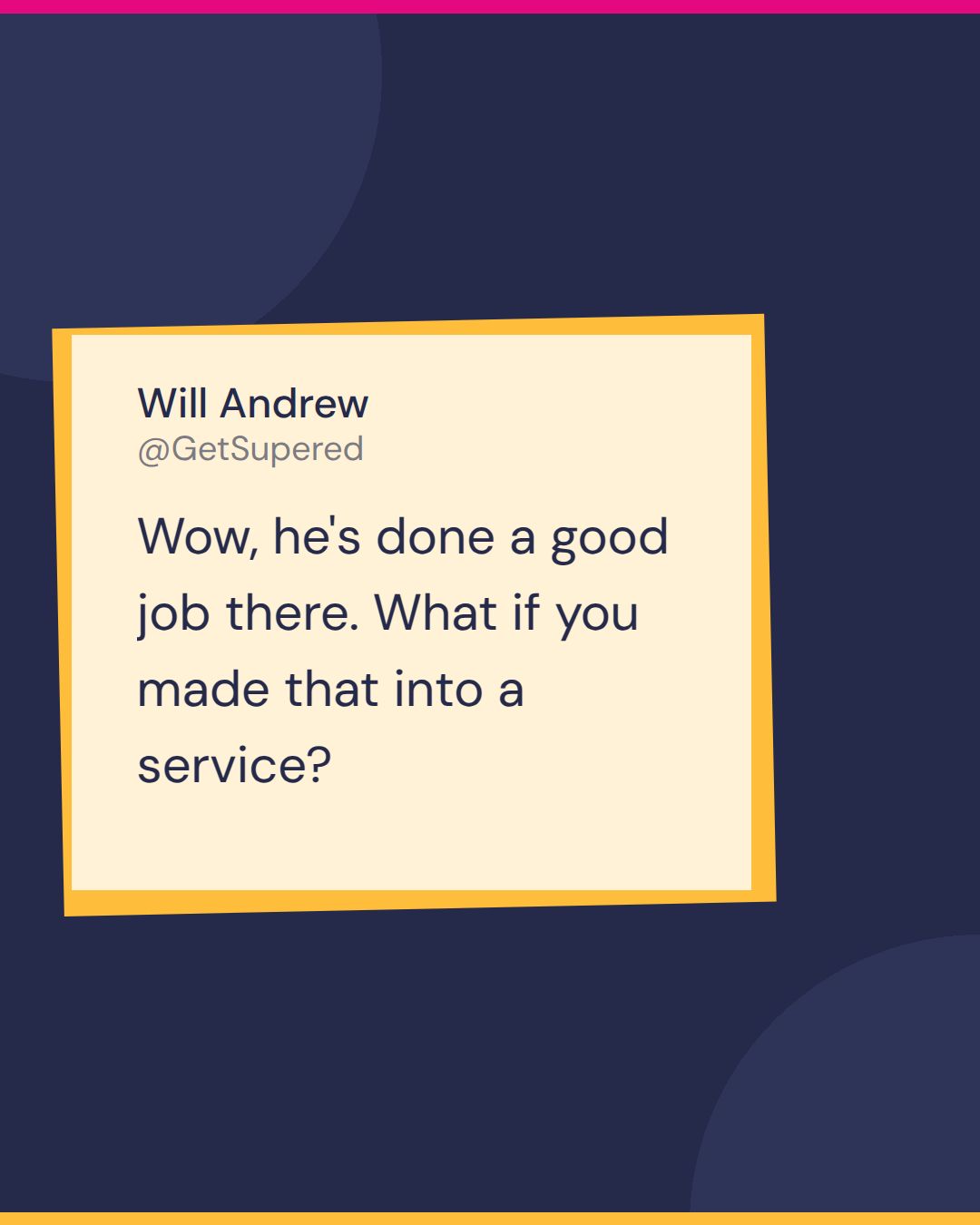
Will Andrew was walking through a park in Sydney when he saw a couple having a picnic at sunset. The man had brought cushions and flowers, and the Harbour Bridge sat behind them. “Wow, he’s done a good job there,” Will remembers thinking. “What if you made that into a service?” He built a booking website in the evenings, bought blankets at IKEA, and screwed legs onto low wooden tables because he couldn’t find any to buy. Four years later it ran 1,000 picnics a year, and it was no longer an owner-dependent business when Will sold it with eight people on staff.
He told me the whole story when he came on Fast & Tierious, a year or so after founding Pineo, his HubSpot agency in the UK. Two parts of it are worth copying. He stopped doing the daily work about two years before he sold, and a buyer got a company that ran without him. Now he is making the same move at Pineo, a lot earlier.
How did a picnic in a park become a company?
Will never went to university. He spent a short stretch in SAP recruitment and hated it (“I was just sitting there finding other people jobs”), then got a junior IT job at the Bank of England. His team supported everything from the software behind the keys to the safes to the system that tracks banknote serial numbers, and he coordinated a Microsoft Dynamics rollout to 800 users. After five years he moved to Sydney. He worked at two travel-software companies in a row, and both asked him to set up HubSpot, a tool he had never used.
The picnics started as a side project, a booking widget with HubSpot, Zapier and Aircall running behind it. “Set up this website, turned it on, nothing happened,” he said. The first booking took about two months. The idea was new, and as Will put it, “nobody Googles I want to do a luxury picnic in Sydney.” Instagram ads got it moving: people saw the photos and thought, in Will’s words, “Oh my god, never seen that before. What’s this? Let me click in it.”
Then COVID reached Australia. Restaurants closed and parks stayed open, and “people still have birthdays and anniversaries.” Bookings went from one a weekend to three, four, five. Will was still working a full-time IT job, and “I was getting a bit burnt out.”
He quit the job.
When does selling a small business start?
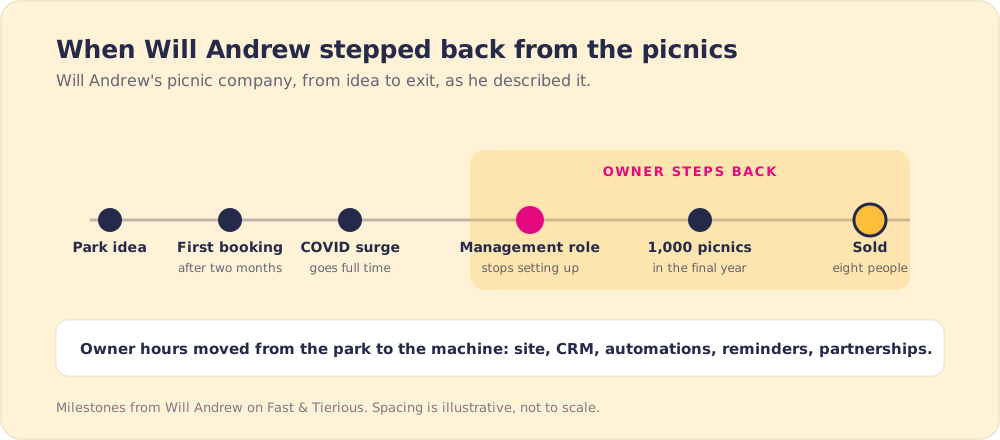
In Will’s case, about two years before the sale. For the first half he did everything himself. “It was just me doing it,” he said, and he didn’t even own a car. He called himself the owner-operator, “lead to cash and running the event.” Then, “about halfway through I started to take a bit of a step back.” He “basically stopped setting up picnics” and moved into the office.
From there he worked on the parts of the company that would keep running after he left. He was “obsessed with the website and conversions and AB testing and all that kind of stuff and SMS reminders and follow-ups and email campaigns.” He signed partnerships. Couples could climb the Sydney Harbour Bridge and find a picnic waiting when they came down, or take a private boat and step off to one already laid out. The company did proposals, weddings, corporate events and celebrity bookings. When he sold, eight people worked there, and he had “deliberately” set things up so the business was “semioperating on its own.”
What is an owner-dependent business?
An owner-dependent business is one where the founder is still the main reason it works. The owner wins the customers, does the delivery, or holds the processes in their head, so a buyer who takes over is buying a company with its most important person about to leave. For the first two years Will’s company was exactly that. He was, in his words, “lead to cash and running the event.”
A few plain tests show where a company stands. Could it take a booking, deliver it and follow up if the owner was away for a month? Would a new hire know how the work gets done without asking the owner? By the time he sold, Will’s company could take a booking and run the event without him.
Buyers pay for that kind of independence. Value Builder data reported by Duran Advisors puts owner-dependent businesses at about 2.93x pre-tax profit and owner-independent ones at about 4.49x (Duran Advisors on the owner-dependence discount). BizBuySell counted 2,117 closed small-business sales in Q2 2026 at a median price of $349,250 and an average cash flow multiple of 2.7, and its brokers call “clean financials, and minimized owner dependence” absolute prerequisites to a successful close (BizBuySell Insight Report, Q2 2026). Plenty of owners never close at all. The Exit Planning Institute estimates only 20 to 30% of businesses that go to market sell (Exit Planning Institute, State of Owner Readiness).
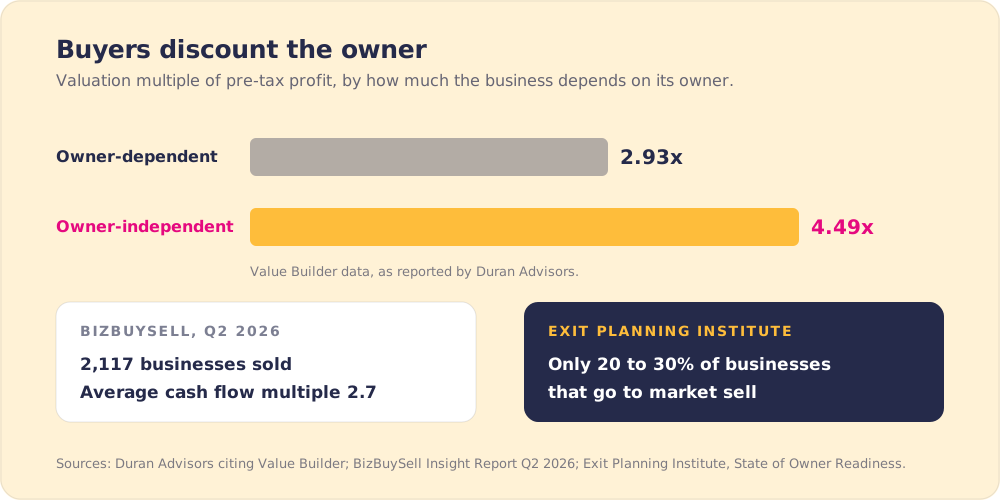
On a business earning $100,000 a year in pre-tax profit, the difference between those two multiples is about $156,000. Will’s last two years moved his company toward the higher one: the bookings, reminders, follow-ups and partnerships ran through systems, and eight people did the delivery. If you want the same, the first job is getting the work out of your head and onto paper so someone else can run it. Our process documentation template is a practical place to start.
Why did Will care more about reviews than commission?
The picnic company collected more than 350 five-star reviews, and Will brought them up before I asked about money. When I did ask about the commission HubSpot pays partners, he said it was good but “I don’t really think about it. I’m more focused on experience and service.” He would “rather provide a good honest trusted service,” and “the money in the commission follows.” If the commission disappeared, he said, he would keep doing the same work.
I agreed with him on the call: “If you focus on the wrong thing, you optimize for the wrong thing and then you don’t get what you want anyway.” For someone selling a small business, the reviews are also an asset in their own right. Three hundred and fifty strangers vouching for the service stay on the page after the founder is gone.
What would Will do sooner the second time?
After the sale, Will traveled for six months. On the road he set up an Upwork profile for HubSpot, Zendesk and Zapier work, hoping it would look established by the time he got home. A client messaged the next day. Back in the UK he applied for full-time HubSpot jobs, and “my CV was a bit weird”: IT, then four years running an events business. “I got quite a few rejections and I got pretty upset about it.” He split his days between applications and Upwork, and within a week he had two or three freelance jobs. Two weeks in, he decided: “Screw this full-time work thing.”
He joined HubSpot as a provider in February 2024 and founded Pineo that June. He then waited two years to join the paid partner program, because it required “a minimum of four seats and I only needed one.” Eventually he said “enough’s enough” and bought the seats, and Pineo reached Platinum three weeks later. He is blunt about the delay. “Two years being a provider essentially put me like two years behind.” If he could redo it, he would “take the leap of faith a little bit earlier.”
Hiring has the same problem. Will spent nearly three months interviewing for a senior consultant, worried the whole time that there might not be enough work for a second person. Then he looked at his own week: “even if I gave like half of that work away,” he said, “it would be like a full-time position for somebody.” His goal for the year is a team of three, with Will moving off implementations and into sales, the same step back he took at the picnic company. His reason is personal. “I’ve worked crazy hours before. I’ve been burnt out.” Working alone, a holiday costs him income, because “you don’t get paid for that work.”
He knows some agencies are growing much faster. He would rather take “natural progression and momentum” and keep some balance. I asked him the question I ask myself about any hard push: “Is it worth the sacrifice?” Will’s answer is a business that can carry some of the load while he is away.
Will Andrew’s lessons on selling a small business
- A step back at the halfway mark. Will stopped setting up picnics about two years before the sale and spent that time on the website, the automations and the partnerships.
- Systems a buyer can inherit. Booking, SMS reminders, follow-ups, email campaigns and the CRM handled the customer experience without him.
- Partnerships that bring in bookings. Harbour Bridge climbs and private boats sent other companies’ customers to his picnics.
- Reputation that stays with the company. More than 350 five-star reviews are still there after the owner leaves.
- An earlier leap. By Will’s count, two years as a provider put him two years behind.
- A first hire before you feel sure. Even half of Will’s own workload would make a full-time job.
How do you fix an owner-dependent business before selling?
We recommend Will’s order. Start years before you list. Take yourself out of delivery first, since owner dependence is the gap between roughly 2.9x and 4.5x profit. Put the customer experience into systems you can hand over, and write the processes down so another person can run them; our guide to process documentation covers how to write one that people follow. Collect the reviews and partnerships that carry the company’s name. Then make the hire before you feel ready. Will waited until he was burnt out once, and he is not waiting this time.
He is building Pineo that way now. If you run a HubSpot agency and want your service to hold up without you in every call, see how Supered works with HubSpot partners, and read why reps drift from a documented process in our post on sales process adoption.
Frequently asked questions
What is an owner-dependent business?+
How many small businesses that go to market sell?+
How do you reduce owner dependence before selling a business?+
What did Will Andrew do after selling his business?+
When should a solo business owner make the first hire?+
Your process, running itself.
Turn the playbook into rep behavior.
More from Fast & Tierious

Starting a Consulting Business With No Experience and Nothing to Lose: Stephen Dodd's Story
Stephen Dodd
Productized Services: How Andrew Logan Grew Floww Digital 240% in a Year
Andrew Logan