Growth Strategy Consulting Lessons From Blake Brock, the Fixer
Blake Brock and Mark Kelly were tool-agnostic strategy consultants until one audit changed their minds. What the NewEdge Growth COO learned about leading with a platform, owning the build, saying no, and choosing the boring industries.
Growth strategy consulting is outside advisory work that helps a company decide where and how to grow, and it pays off when the consultant also shapes how that decision is built into the team's processes, roles, and systems.
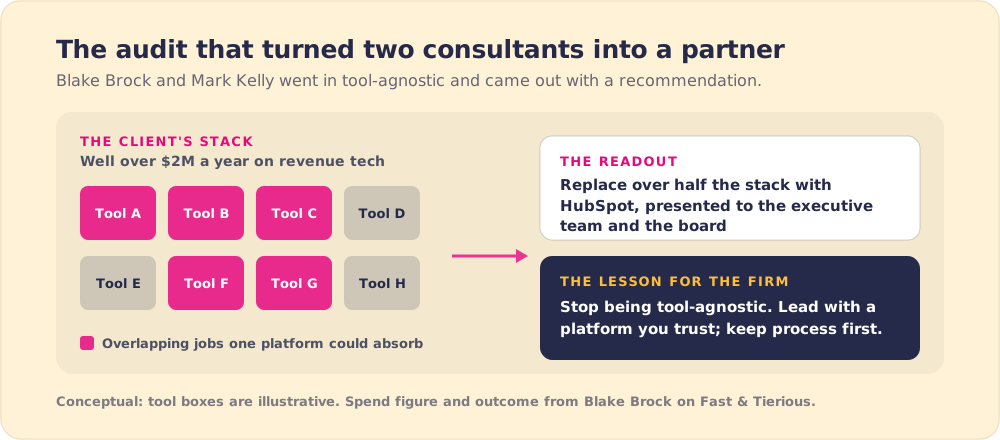
Blake Brock and his business partner Mark Kelly had each hung out their own shingle as fractional revenue and marketing leaders when they signed the biggest audit of their careers. An enterprise client was spending “well into two million plus a year” on revenue technology, some of it connected, much of it overlapping.
The two went in committed to being tool-agnostic. They came out recommending, to the executive team and the board, that the client replace over half of that stack with a single platform.
That audit turned two solo growth strategy consulting practices into one firm, NewEdge Growth, where Blake is COO. He told me how it happened on Fast & Tierious in February 2024, along with what the firm learned in the three years after: why it picked one platform, why it insists on running the build, when it says no, and why it went after industries other consultants avoid.
What is growth strategy consulting, and how did NewEdge start?
Growth strategy consulting is outside advisory work that helps a company decide where and how to grow, and it pays off when the consultant also shapes how that decision is built into the team’s processes, roles, and systems. Blake’s version started with the audit. “This thing was a spider’s web,” he said of the client’s stack, and the deeper he and Mark dug, the more duplication they found.
At the time they thought of HubSpot as a marketing automation tool, and the client used it only as a point solution. They took a closer look at what had shipped and what was about to, and they “realized they could replace over half of their tech stack with HubSpot alone.” Making that case to the board changed Blake and Mark’s own plans. “In that process [we] realized we need to get on this bandwagon,” Blake said.
The overlap Blake found shows up at scale. Gartner’s 2023 survey of 405 marketing leaders found teams used 33% of their martech stack’s capabilities, down from 42% in 2022 and 58% in 2020 (Gartner, 2023). Our post on the sales tech stack traces that waste to buying tools before deciding what the team should do with them.
Three years after that audit, when we spoke in February 2024, NewEdge ran on what Blake called “an army of trusted consultants,” 17 contractors at the time, with revenue in seven figures and a forecast to triple it that year. In my introduction on the episode I called them the fixers: the partner other firms’ clients call when an implementation has gone wrong, and one that ranked second in North America for customer care.
Why did Blake stop giving tool-agnostic advice?
Blake’s first lesson reversed a belief he had held on principle. As independent consultants, he and Mark stayed technology-agnostic “because in our minds that was doing the right thing for our customers.” The audit showed them a different version of doing right by the client: “provide as close to an all-in-one solution as possible,” one whose “total cost of ownership is something that can be managed by the client side,” without a giant admin team or a license for every login.
NewEdge’s own framework made the switch uncomfortable. The firm thinks in SPORT: strategy, process, organization, results, and technology, in that order. In the first year NewEdge sold in that order too, working out the go-to-market strategy and the RevOps design with the client before pulling in any software. “That’s a slow way to grow and it’s a painful way to grow,” Blake said, and it meant long days and no free time.
So NewEdge changed how it sells and kept how it thinks. It now leads with HubSpot as its tool of choice, confident that “whatever strategy we build, whatever processes we install” the platform can carry. Blake was careful to draw the line when I pushed on it: “We’re still process over technology.” And again: “We’re not going to build the system out first.”
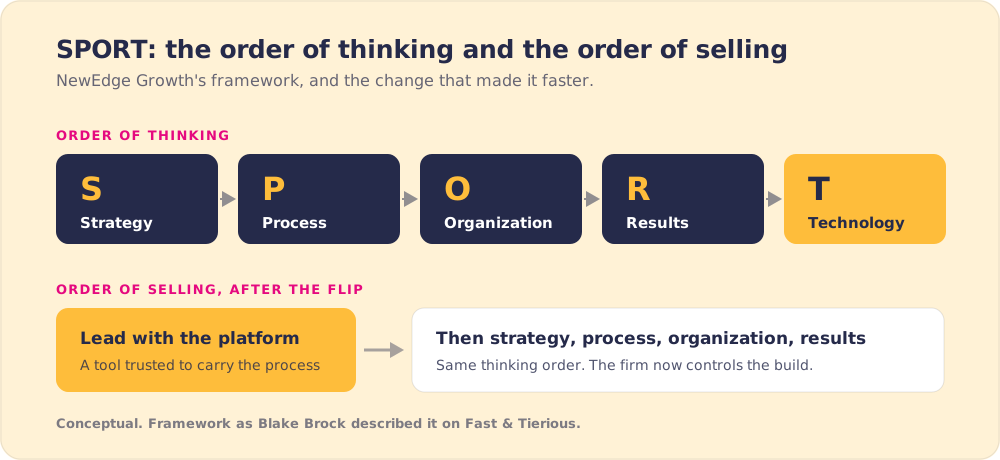
Blake’s reason for leading with HubSpot is practical. NewEdge knows the platform well enough to promise a client that whatever strategy comes out of the work can be built, and the firm no longer spends the first months of an engagement on a separate argument about software.
Why does Blake say the consultant has to control the build?
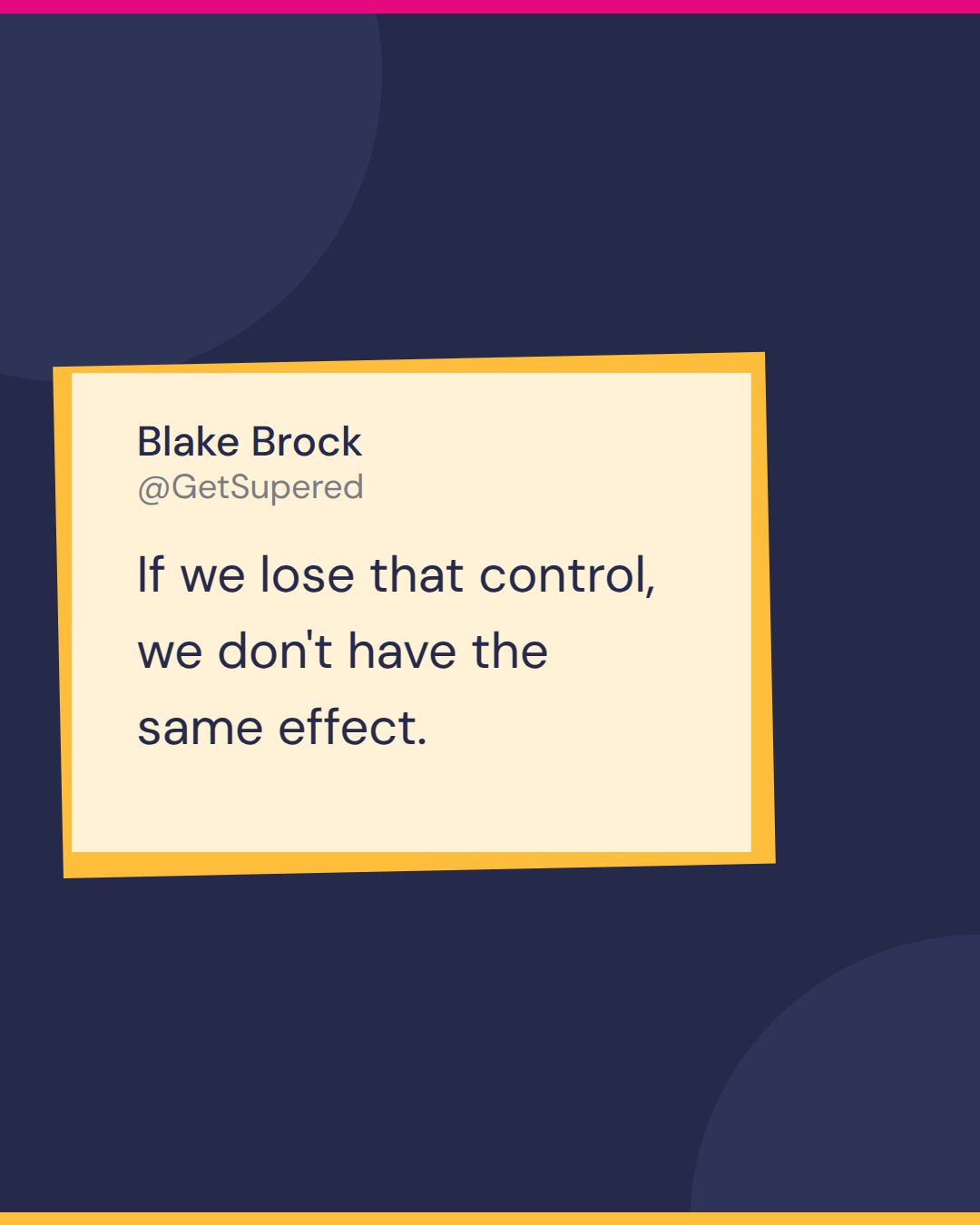
Blake’s second lesson came from projects where NewEdge advised and someone else implemented. “We have to be in charge,” he said. “We have to be able to manage the build,” along with its implementation, maintenance, and administration. When they lost that, the damage showed up in time to value. “We know exactly what to do and when,” he said, “and we lose the ability to pull those levers as quickly and as easily if we’re not the ones calling the shots.”
He did not mean shutting the client out. NewEdge still wants executive stakeholders and project stakeholders on the client side, treating the engagement as a partnership, with NewEdge running the program.
The research on strategy execution backs him. In a study by PMI and the Economist Intelligence Unit, 61% of executives said their firms often struggle “to bridge the gap between strategy formulation and its day-to-day implementation” (PMI, Why Good Strategies Fail). Donald Sull, Rebecca Homkes, and Charles Sull, writing in Harvard Business Review in 2015, found that only half of middle managers could name any of their company’s top five priorities. Our post on strategy execution covers more of that research.
We see the same gap in sales teams. In The State of Sales Enablement 2026, 89% of revenue teams said they have a defined sales process, and 36% said their reps follow it consistently.
Blake’s fix is to keep the plan and the build in the same hands. When NewEdge designs the process and also sets up the CRM, the people who wrote the plan are the ones who put it into the system.
How did saying no lead NewEdge to the boring industries?
In NewEdge’s first year, Blake said, “we took anything and everything.” There was no project they would walk away from, including ones where “we knew we were upside down,” because they wanted to “earn our stripes.” By the end of that year they knew which work they were great at, which they were only good at, and which to refer to someone else. “Understanding when to say no was huge,” he said.
Their best work kept landing outside software. “Everyone wants to work with SaaS and tech,” Blake said, and those clients are fun. NewEdge kept being drawn to financial services, transportation, and private equity and venture capital, industries where modernizing the go-to-market is detailed and slow. “We’ve gotten really good at the boring stuff,” he said, and the reason the niche is open is that the problems take repetition to learn: “No one else is thinking about those problems because you have to have experienced them time and time again.”
That depth shows in how NewEdge builds. Blake described the firm as “hyperfocused” on API integrations with industry-specific systems: ERPs, transportation management platforms, and applicant tracking systems in staffing. A trucking company or a staffing firm needs its CRM to talk to those systems, and building those connections is what NewEdge focuses on.
The firm’s marketplace profile today reflects the choice: NewEdge lists itself as building revenue operating systems for private equity-backed B2B companies, with a Customer First award in 2023 and a 5.0 rating across nine reviews (HubSpot Solutions Directory).
What can a growth strategy consultant take from Blake’s lessons?
- A platform you trust. Pick one you can build anything on, lead the sale with it, and keep strategy and process first in the thinking.
- Control of the build. The firm that designs the strategy manages the implementation and administration, with client stakeholders in the room.
- A clear no. NewEdge said yes to everything in year one, then used what it learned to decide which work to turn down or refer out.
- An unglamorous specialty. Industries others avoid reward the consultant who has solved their problems many times.
- The finish of the job. Blake built activation services, outsourced selling and marketing, because after building a revenue engine “we wanted to be the ones to turn it on.”
Our recommendation
If you are hiring a growth strategy consultant, hire the one who will own the installation and measure whether your team runs it. In the PMI study, 61% of executives said their firms struggle to turn strategy into daily work, and in our survey 89% of sales teams have a process while 36% see reps follow it. Blake’s rule, that the firm which designs the strategy should control the build, is aimed at that gap.
That last step, checking whether the team runs the process after launch, is where Supered fits for HubSpot partners like NewEdge: it puts the process inside the CRM at the moment each step applies and shows whether it ran. Our partner program page covers how partners use it with clients.
If a CRM change is part of your growth plan, read our guide to CRM adoption next. It covers why new systems stall after launch and what brings the team into them.
Frequently asked questions
What is growth strategy consulting?+
Why do growth strategies fail?+
What is the SPORT framework?+
Should a growth strategy consultant also implement the plan?+
How much of a company's tech stack goes unused?+
Your process, running itself.